
Gas Burner and Ignition Problems
Service may involve a pilot assembly, thermocouple or flame-sensing component, gas control, burner, or combustion air issue. Venting and burner condition should be checked before parts are replaced.
Serving Wichita, Kansas & surrounding areas
24/7 Emergency Response
Water Heater Service in Wichita, Kansas
Get a clear diagnosis and practical repair plan for dependable hot water, whether the problem is a cold shower, a leaking tank, or a unit that keeps shutting down.
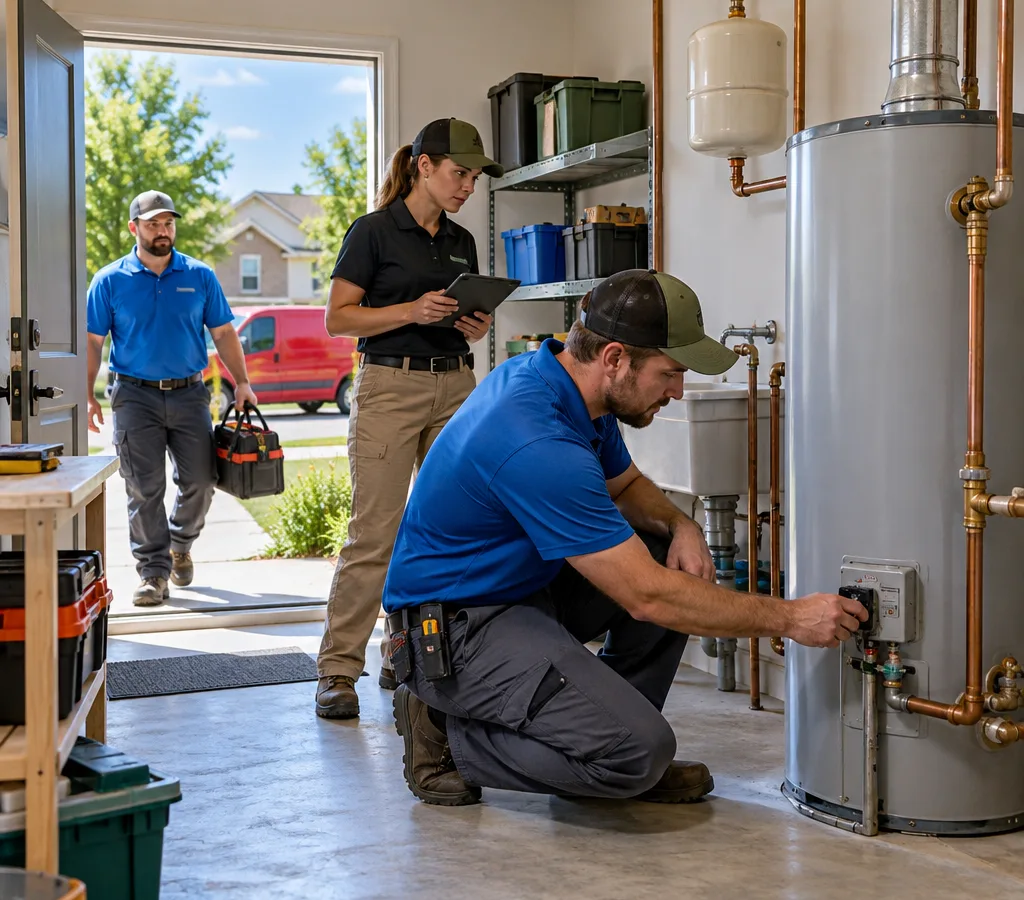
Hot Water Diagnosis
When hot water stops, a qualified water heater repair Wichita technician should identify the failed component before recommending work. HVAC Repair Wichita KS checks the unit, explains the findings, and outlines whether repair or replacement makes better financial sense.
For common gas and electric storage water heaters found in local homes, an experienced HVAC team in Wichita, KS works on the equipment itself and the conditions affecting it, including the fuel or electrical supply, venting, water connections, temperature controls, and visible signs of leakage.
Wichita's hot summers and cold winter weather can put utility equipment under changing demands. Water heaters installed in garages, basements, closets, and utility rooms also present different access and ventilation concerns. A proper diagnosis accounts for the installation rather than treating every loss of hot water as the same problem.
Warning Signs
A completely cold tank is an obvious problem, but many failures start with smaller changes. Schedule service if hot water runs out sooner than usual, the temperature swings, the burner does not stay lit, or the circuit breaker repeatedly trips. Rust-colored hot water, water around the tank, popping sounds, and moisture near a temperature and pressure relief valve also deserve attention.
The source matters. Water on the floor may come from a loose supply connection, drain valve, relief valve discharge, or corrosion through the tank. A leaking fitting may be repairable. A tank that has rusted through generally is not. If water is actively spreading, shut off the water supply when it is safe to do so and keep clear of wet electrical components.
Do not plug a relief valve or cap its discharge pipe. That valve is a safety device designed to release excessive temperature or pressure. Its operation and discharge path should be assessed by a trained technician.
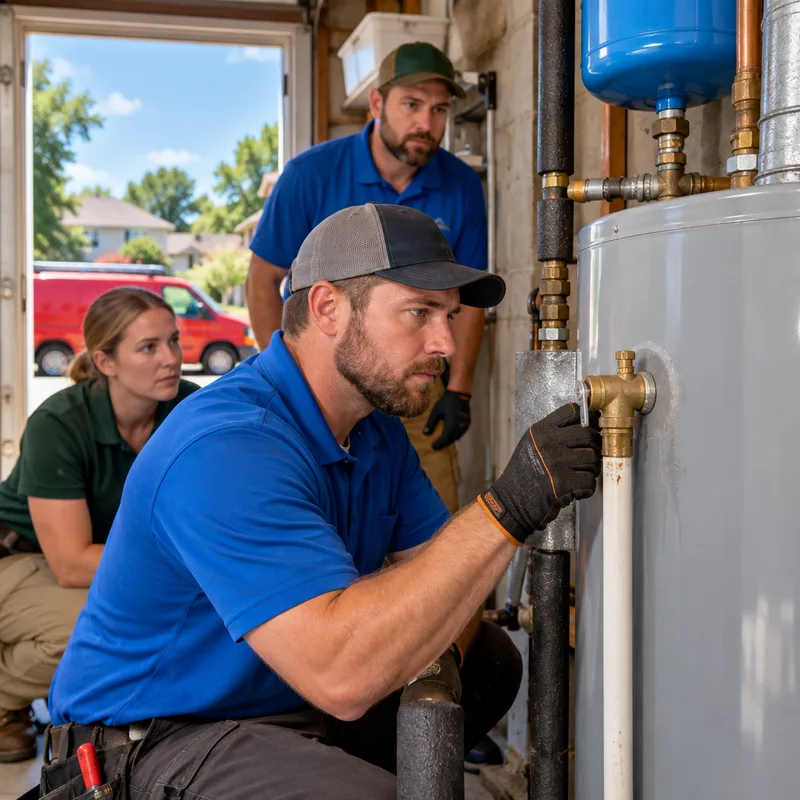
Tank-Style Water Heaters
Service may involve a pilot assembly, thermocouple or flame-sensing component, gas control, burner, or combustion air issue. Venting and burner condition should be checked before parts are replaced.
Electric units use thermostats and heating elements to control temperature. Diagnosis may include checking voltage, continuity, terminal condition, and the high-limit safety control.
Loose connections, drain valves, and relief valve issues may be repairable. Leakage through the tank shell indicates internal corrosion and usually calls for replacement.
A faulty thermostat, failed element, burner problem, sediment accumulation, or changing household demand can cause lukewarm water or short hot-water runs.
Popping or rumbling can occur when sediment collects at the bottom of a tank. The tank condition and drainability determine whether flushing is suitable.
Gas-fired equipment needs proper combustion air and a sound venting path. Soot, scorch marks, unusual odors, or repeated shutdowns require careful inspection.
How Service Works
Step 1 of 5
Share what changed, when the problem began, whether the unit is gas or electric, and whether water is actively leaking. This helps determine the urgency and likely diagnostic checks.
Step 2 of 5
The technician examines the tank, valves, connections, controls, energy supply, and relevant safety components. Electrical testing or gas-side checks are performed as appropriate for the equipment.
Step 3 of 5
You receive an explanation of the fault and the proposed work before the repair begins. If the tank itself has failed or the unit has multiple costly problems, replacement may be discussed instead.
Step 4 of 5
The failed component is repaired or replaced as authorized. Connections and operating controls are checked, and the unit is returned to service when it can operate safely.
Step 5 of 5
The technician confirms heating operation, checks for visible leaks, and reviews any follow-up steps. A full tank needs time to recover, so hot water may not return immediately after service.
Repair Pricing
Water heater repair in Wichita typically costs about $150 to $700, while complex control, burner, valve, or electrical repairs can cost more. A basic diagnostic visit or minor adjustment usually falls near the lower end; replacing major components raises the total.
Price depends on the heater type, failed part, unit condition, access, venting, and whether water damage or code-related corrections affect the work. Tank failure may make replacement more economical than repair. The exact cost is confirmed after the unit is inspected at the service visit.
Compare the Practical Options
Repair is often reasonable when the tank is sound and the fault is limited to a serviceable part, such as an electric element, thermostat, ignition component, or valve. The decision changes when water is leaking through the tank, corrosion is widespread, repair costs are high compared with replacement, or breakdowns keep returning.
Equipment age is useful context, but it does not settle the decision by itself. Installation quality, maintenance history, water conditions, tank condition, and the availability of compatible parts all matter. A newer heater with a failed element may be a straightforward repair. An older unit with tank leakage cannot be restored by replacing controls.
A trustworthy recommendation separates the immediate fault from the broader condition of the equipment. HVAC Repair Wichita KS can explain what is repairable, what is unsafe to continue using, and what to expect from each option without treating replacement as the automatic answer.
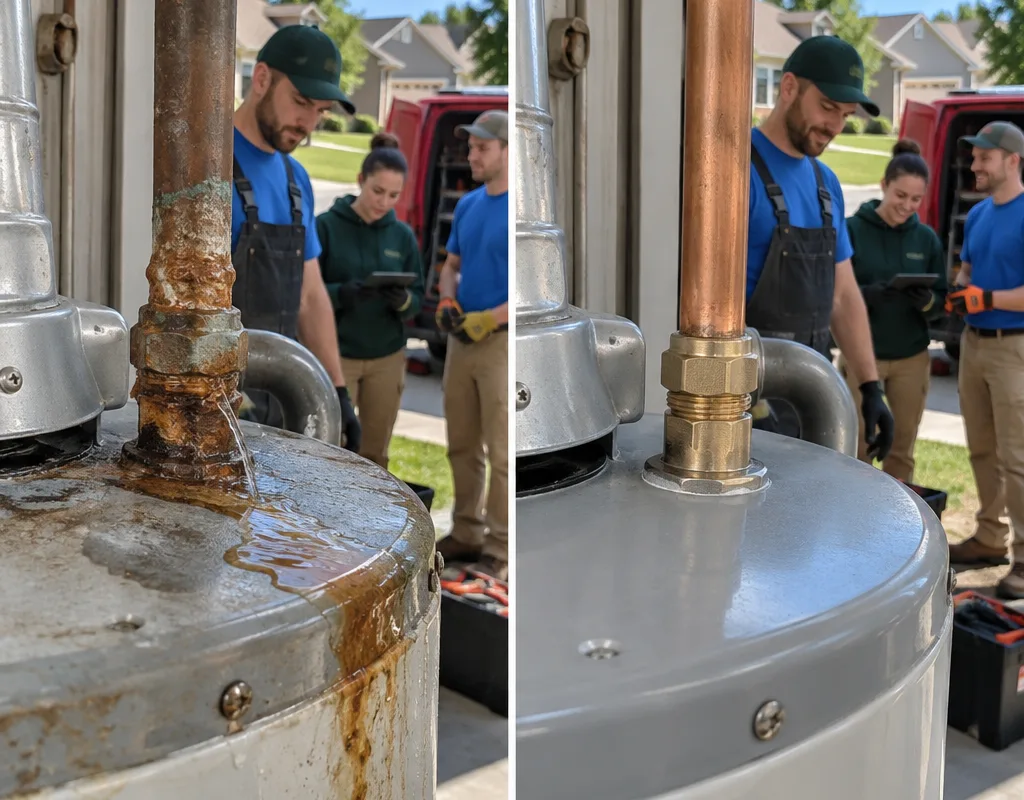
Wichita Installation Conditions
Water heater access and installation conditions vary across the city. Older homes in Riverside may have compact basements or utility areas where clearance affects diagnostics and part replacement. College Hill includes many established homes where existing vent routes and older utility arrangements should be examined rather than assumed. In newer suburban development around east and west Wichita, larger households and higher fixture demand may expose a capacity problem that feels like equipment failure.
The city's temperature swings also matter. Incoming water is colder during winter, so the heater needs more time and energy to bring a full tank to the set temperature. A unit that seems adequate in warmer weather may reveal a weak element, burner issue, or capacity shortfall during cold periods.
Wichita water heater repair should account for the actual installation. Fuel type, tank size, vent configuration, shutoff access, drain pan, expansion control, and relief discharge arrangement can all affect the work. Diagnosis comes before a parts list.
A small leak or intermittent shutdown can become a loss of hot water or property damage. Arrange an inspection while the symptoms are still limited and get a clear repair plan.
Call for Emergency HelpHomeowner Questions
Many common water heater repairs can be completed during one service visit when the correct part is available. Timing depends on the diagnosis, equipment type, access, and whether the tank itself has failed. A gas-control or specialized component may require additional sourcing, while common electric elements and thermostats are often more readily available.
Yes, shut off the water and energy supply if you can do so safely and water is actively leaking. Gas units have a gas control or nearby shutoff, while electric units should be disconnected at the correct breaker. Avoid standing in water near electrical equipment, do not touch wet controls, and never block a temperature and pressure relief valve.
A tank leaking through its metal shell generally cannot be repaired and usually needs replacement. Leaks from supply fittings, drain valves, flexible connectors, or relief valve assemblies may be repairable after the cause is confirmed. Water location alone is not enough because moisture can travel down the jacket before reaching the floor.
Short hot-water duration can result from a failed lower element, thermostat trouble, burner problems, sediment, a damaged dip tube, or demand that exceeds the tank's capacity. During a Wichita cold spell, colder incoming water can also lengthen recovery time. Testing distinguishes an equipment fault from a sizing or usage issue.
Yes, HVAC Repair Wichita KS diagnoses common gas and electric tank-style water heaters. Gas service can involve ignition, burner, control, combustion, or venting checks. Electric diagnosis often covers elements, thermostats, wiring terminals, and the high-limit control. Equipment type and model information help prepare for the visit.
Noise is not always an emergency, but it should not be ignored when accompanied by leaking, overheating, soot, unusual odors, or repeated shutdowns. Popping and rumbling often point to sediment or scale interacting with the heated tank surface. The technician should assess tank condition before deciding whether flushing is appropriate.
Yes, the recommendation should compare the specific repair with the tank's condition, equipment age, repeat-failure history, and available parts. In Wichita homes with tight utility spaces or existing venting concerns, installation requirements can also affect the replacement decision. You should receive the findings and proposed scope before authorizing work.
Restore Your Hot Water
Tell HVAC Repair Wichita KS what the water heater is doing, whether it is leaking, and whether it uses gas or electricity. We will arrange a diagnostic visit and explain the practical next step.